THE PENULTIMATE: Please introduce yourself
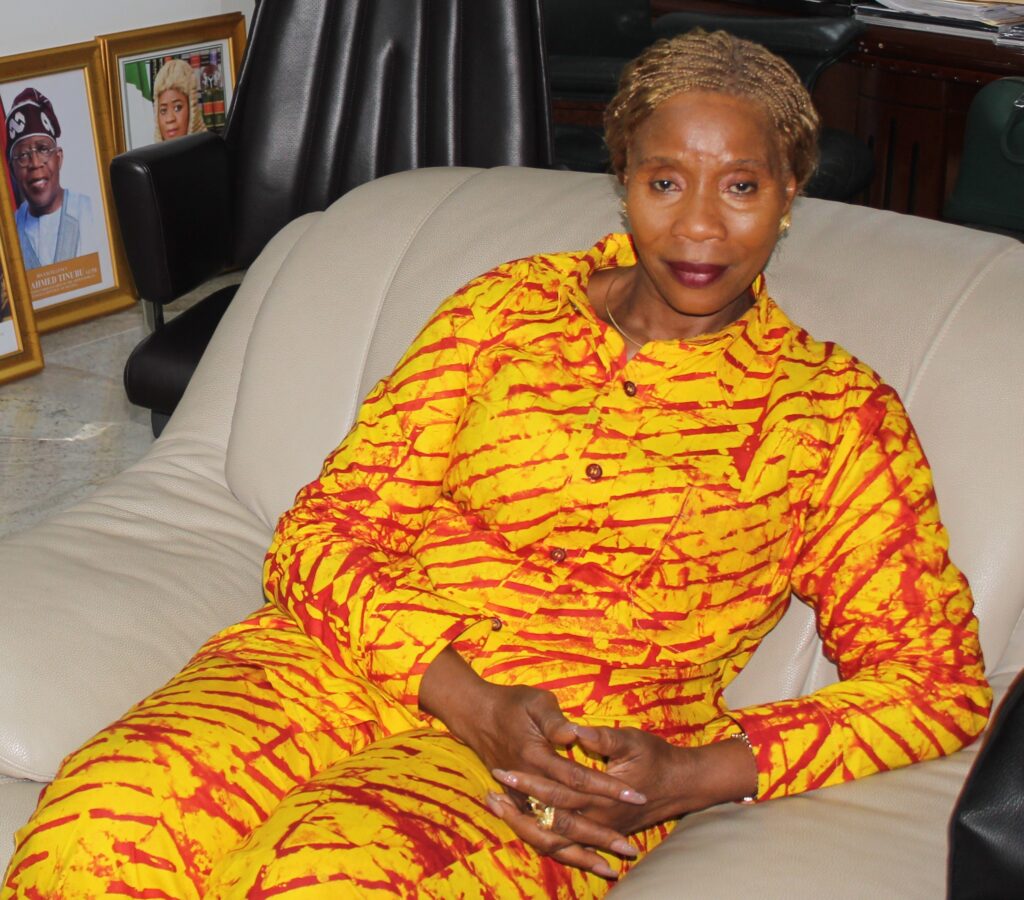
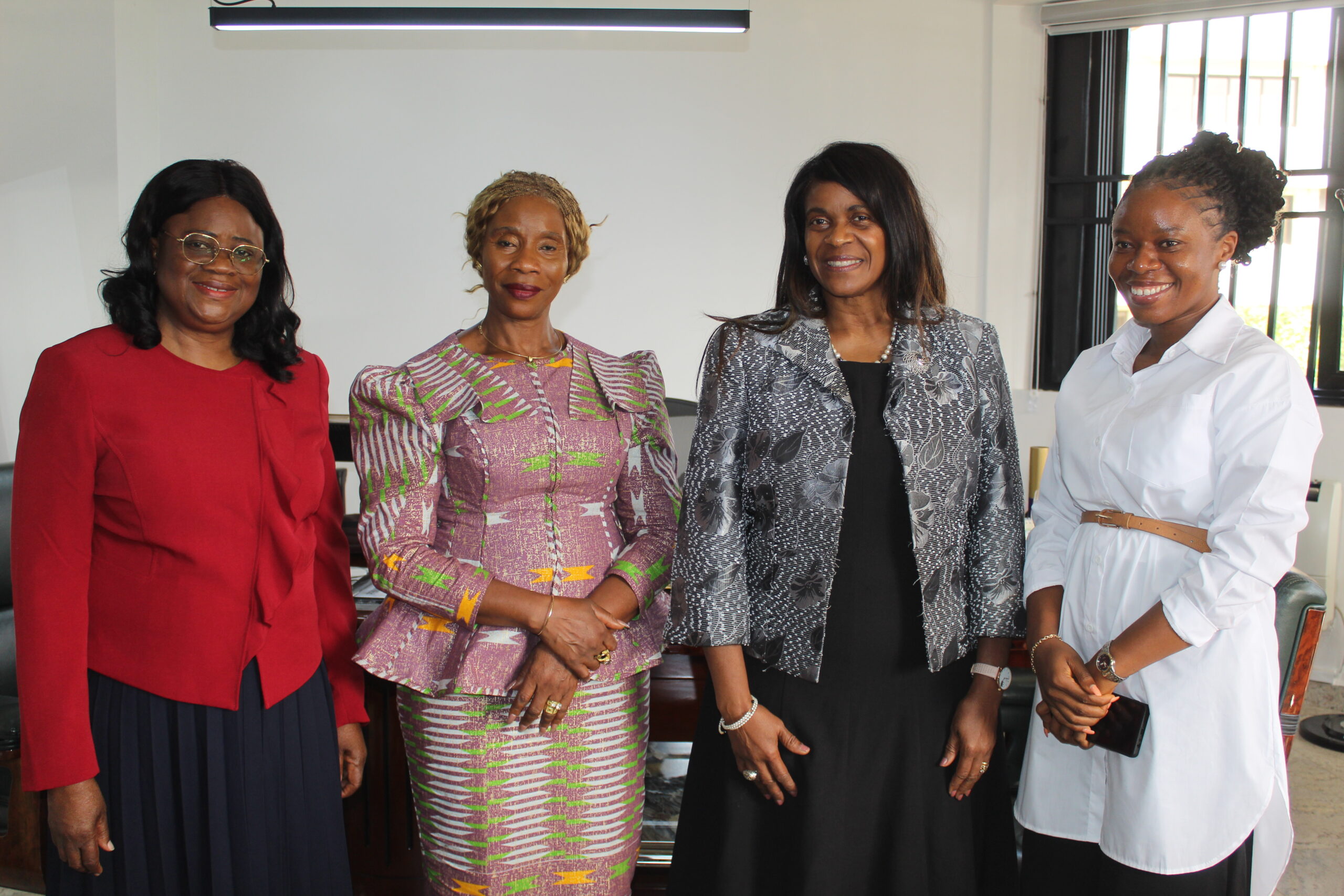
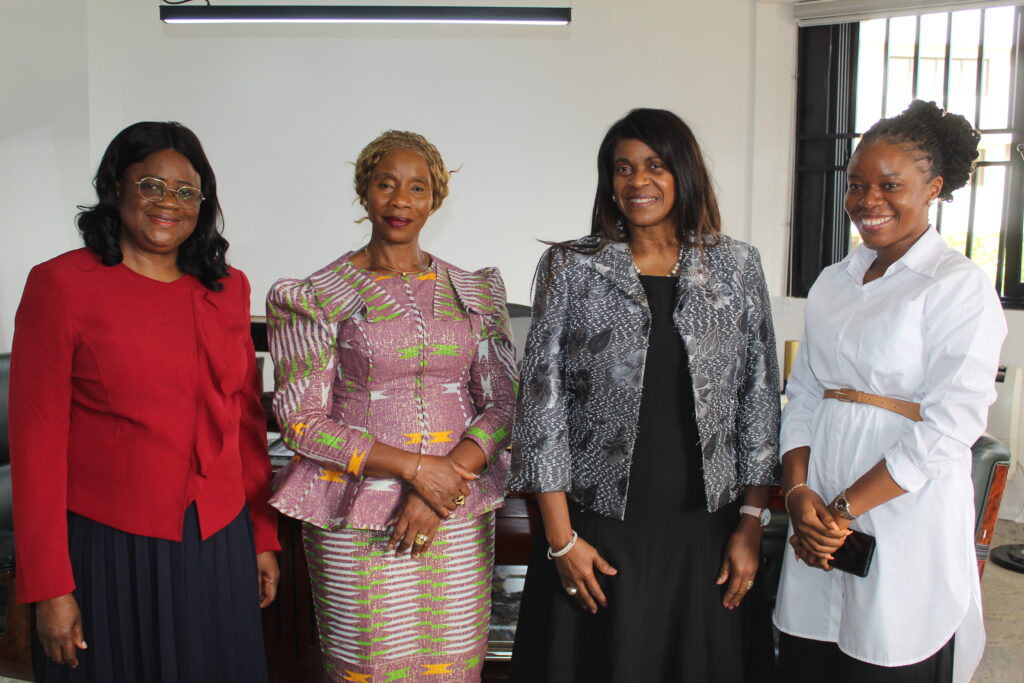
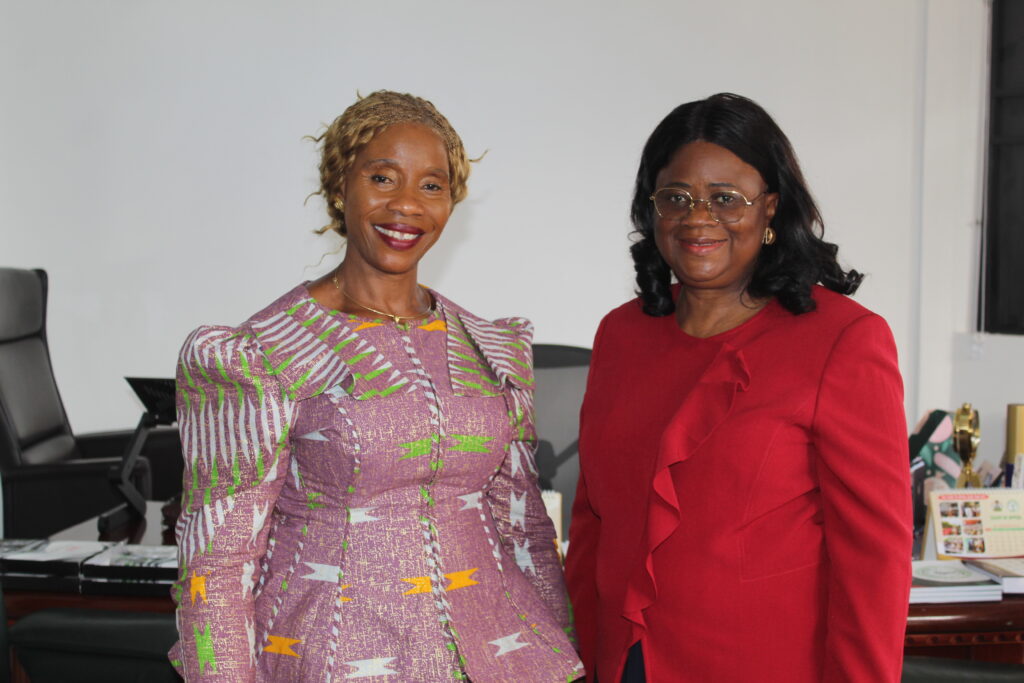
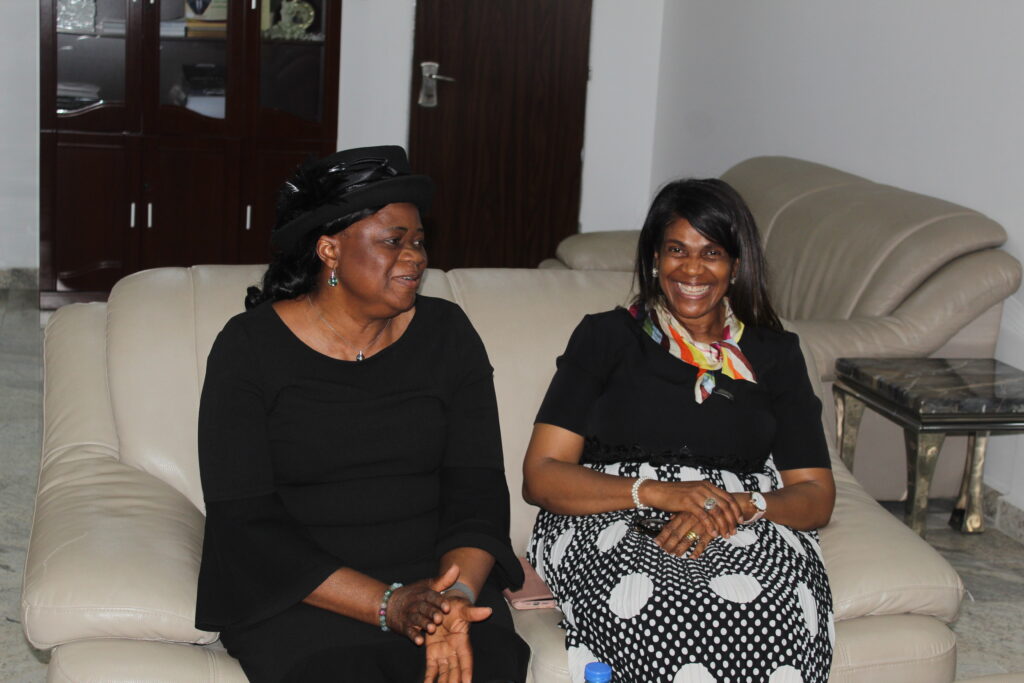
JUDGE: My name is Judge Nancy Finda Sammy. I am a Circuit Court Judge of the 10th Judicial Circuit Court of Lofa County. I am also the President for the National Association of Trial Judges of Liberia (NATJL).
THE PENULTIMATE: Tell us about the journey towards becoming a Judge in your country
JUDGE: I am a Judge of the High Court, to be qualified to serve as a Circuit Judge or a High court Judge, firstly, you have to be a lawyer as you know, and upon being qualified as a lawyer you have to practice law for 5 to 10 consecutive years before you can qualify to serve on a Bench.
THE PENULTIMATE: What inspired you to become a lawyer?
JUDGE: Because of the injustice that people are faced with especially women in my country. I come from a traditional county where men perceive women as their property, instead of as co-equals, they see women as properties. In fact, there was a law at the time that considered women as being property of the men but later that law was amended and today, we have the inheritance law that gives women equal rights in our country.
So, because of the perpetual injustice that was perpetuated against the women even as we speak injustice is still being perpetrated against our women by our men. And that really hurt me seeing that as a little girl growing up, I felt, you know, people had to out to become the voice of the voiceless, yes, and that inspired me into the law profession.
THE PENULTIMATE: What are some of the challenging cases you have handled and how has that influenced your view on justice?
JUDGE: The basic cases that have really really caught my attention, is where men or husbands kill their wives, yes, kill their wives because of mere jealousy and also rape issues. Rape issues are very prevalent in our country and they usually perpetrated against little children so those are challenging times for me as a Judge.
In fact, to the extent that when I first got appointed as a Judge, I mean, it almost killed me with what I was seeing in the courtroom everyday as being a woman and mother, it was not easy.
THE PENULTIMATE: Humm, how were you able to navigate through these challenges?
JUDGE: Through prayers, because you got to have God on your side to take you through because the challenges are just too enormous. Women go through emotional torture seeing all of those things happening to little girls, you just feel hurt as a mother and a woman.
THE PENULTIMATE: What can you say about the role and mission of the Liberian Supreme Court in ensuring Justice and upholding the rule of law?
JUDGE: Firstly, the Liberian Supreme Court handles cases as an appellate court. We actually liaise, in our country we have them as senior court, we have the Circuit Court and then the Supreme Court. There are certain cases that do not go to the Supreme Court only those cases that are on appeal, and the cases involving ambassadors and counties for those cases, they are handled at first instance, so the Supreme Court handles them.
And our Supreme Court is doing very well when it comes to the dispensation of justice especially with the current bench that we have headed by or presided by a female she is very robust. So, the current Supreme Court is very robust and they are trying, you know, every system has its’ own challenges and weaknesses.
THE PENULTIMATE: Yes, that is true. Do you have to go through the High Court, Court of Appeal before you get to the Supreme Court as well?
JUDGE: Like I said we have only 3layers, we do not have any Court of Appeal
THE PENULTIMATE: No Court of Appeal?
JUDGE: No, we have the Magisterial Court, the High Court i.e. the Circuit Court that you refer to as a High Court and then the Supreme Court. But there are measures that have been taking place, proposals have been made to the House of Parliament which we call the legislature to promulgate law at least to establish an Appeal Court to lessen the work of the Supreme Court because they have so many cases on their dockets. All of the cases in the country goes straight to them from the Circuit because we do not have an Appeal Court that will serve as a bufferso it is really really overwhelming for the Supreme Court.
THE PENULTIMATE: this takes me to the next question on what major differences do you see in the Liberian Judicial system compared to the Nigerian judicial system?
JUDGE: From our engagement with stakeholders in Nigeria regarding our visit to this country when we came to get information relating to the independence of the judiciary and all of that, it has given us a broader perspective about the Nigeria court system and I really haven’t seen any significant difference; nothing different, the only difference is that you have the Appeal Court and you have other courts because of the size of your country.
Because of the size of your country, you have other courts as opposed to us, our country is a small country. So that is it. Nigeria has more courts and you have appeal court we do not have appeal court so far that is the only difference other than that from what I have seen it is the same.
THE PENULTIMATE: What do you think Liberia can learn from Nigeria’s judiciary and vice versa?
JUDGE: Hahahaha I wouldn’t know how to answer that question.
THE PENULTIMATE: Hahaha
JUDGE: Maybe, through collaboration!
THE PENULTIMATE: Okay!
JUDGE: Yes, that is why it is important for Nigeria to become a member of the IAJ. Because this is a parliament, when we meet, we all have shared experiences from different jurisdiction and it helps us a lot and we are fighting hard for Nigeria to become.
THE PENULTIMATE: What is your reason for coming to Nigeria?
JUDGE: Okay, we have an international organization called International Association of Judges (IAJ). It is an international NGO which key objective is the safeguarding of judicial independence around the world and there are ninety-two national Judges associations that form this world body comprising the Judges from European, from the United States, from Asia, from Africa. So Liberian Judges became a member of the IAJ in 2017 but we were surprised that Nigeria is not a part; Nigeria, Sierra Leone, Ghana and Gambia. We have only two English speaking countries in the African group because the IAJ is divided into regional groups; we have the European group, the American group, the Asia group and the African regional group. So, in the African regional group there are only two English speaking countries that is South Africa and Liberia. So, we were surprised that Nigeria is not a part of this association because everywhere we have gone for conferences, for meetings we have seen Nigerians in huge numbers, you know, they are always part of some kind of activity and we did not see them in the room so we got concerned. IAJ is concerned about that so they encouraged Liberia, Liberian Judges to ensure that Nigeria, Ghana, Sierra Leone and Gambia become part of the IAJ.
So, with that challenge this year, the Liberian Judges hosted a African Group Regional Meeting in Liberia and we extended invitations to some Judges of Nigeria, Sierra Leone, Ghana and Gambia.
So, prior to this year, we had a IAJ 66th conference in Cape Town and Nigeria we got to know have also at that time submitted application to become a member of IAJ. When I saw that in the secretariat, Jaruma was very happy. I said oh, thank God Nigeria will soon be part of us.
Upon submission of the application, when you submit an application, it is not automatic for you to become a member, some investigations have to be done on you to ensure whether you are adhering to the rule of law as Judges association, whether you are safeguarding your own independence as a judiciary. So the IAJ appointed Judge Allyson Duncan of the USA and myself to serve as rapporteurs on the application of Nigerian Judges to become member of our IAJ. So, that is why I am here and the key purpose of my being here is to ensure or to ascertain from key stakeholders whether Nigeria is truly independent or not. Whether the executive branch and legislative branches of government are interfering in judicial matters and if they do what is the role that is being played by the judiciary in such instances.
Upon our coming here, we met a lot of stakeholders we met with the Nigeria Independent Human Rights Commission, Chamber of Commerce Abuja branch, we also met Civil Society Organizations, we met with the media.
We met with other people, then with the President of Nigerian Bar Association and they all gave us their own perception of the judiciary.
The information we gather, will help us make our report and give our recommendations to the IAJ regarding the application of the National Association of Nigerian Judges.
THE PENULTIMATE: What are our prospects?
JUDGE: Am not going to disclose that. Hahahaha.
THE PENULTIMATE: In your view how important is the corporation between African nations and what role should the African courts play in this?
JUDGE: The collaboration is important because we all have issues. And don’t think that it is only Africa, judicial issues are worldwide. Oh, you’d be surprised oh, when we meet during our regular annual meetings, we all give reports from our respected countries and you’d be surprised, even European Judges have issues, Judges in Portugal, they are now in Africa, they are now African jurisdiction so you’d be surprised at the issues they have.
Judges in Mexico have issues, serious issues so collaboration is important, very important. So, it is not only limited to African judiciaries, it is all over the world. We all got it.
Because the executive and the legislative branches of government see the judiciary as the least. They feel that the judiciaries all over the world should always come crying to them for what we are entitled to. Why should we? We are three equal branches of government, three equal branches of government so why will you always treat the judiciary as a step-child, why? Even when it comes to funding, you have to fight and fight and fight.
It shouldn’t be because the corner stone of every democracy hinges on the judiciary, so that is why they should pay attention to the judiciary. Yes, but on a conference, it is the other way around, they want us to always beg.
THE PENULTIMATE: What is your opinion on the harmonisation of laws across ECOWAS countries especially on matters on human rights and trade disputes?
JUDGE: I think if we can achieve that, it would be a good one. Because having different laws is not going to help us. Like for instance, what we have now with the ECOWAS called the creation of the ECOWAS court is very important so we can have harmonization of those laws that will help us in our respective jurisdictions.
THE PENULTIMATE: What steps can Liberia and Nigeria take together to improve cross-border legal cooperations and strengthen judicial ties?
JUDGE: Regular meetings! I keep saying collaboration is important if Judges in Liberia, if Judges in Nigeria can collaborate, it will help us to be able to identify the common issues, those burning issues that are affecting us that will help. In fact, yesterday, Justice Okaisaborsuggested something that we should establish African Judges group and I said we already have it.
In IAJ we are divided into regions we have the African regional group that is strictly with Judges in Africa. So, that is important, where we will all meet, we collaborate, we discuss issues that are affecting us in our respective countries, so that collaboration is very important.
THE PENULTIMATE: What advice would you give too young aspiring lawyers in different societies?
JUDGE: Be strong, you are the friend of the court and I am sure you have that system here too. The courts cannot survive without the lawyers, likewise the lawyers cannot also survive without the court. So, we have to walk hand in hand. If a lawyer has a case, the key thing is to safeguard the interest of your client. Money is important but do not put money first. Seek the interest of your client the money will follow.
THE PENULTIMATE: True! What is your impression about Nigeria and our culture?
JUDGE: I started having my perception about Nigeria from the time we had our war in Liberia. We know the role Nigeria played; Nigeria played a key role in bringing peace to Liberia.
Nigerians are very hospitable, they are hospitable, they are good people, very compassionate, we all have our respective issues but you people are very kind, you are nice people, your generousespecially, yourgenerousand we have experienced that in Liberia with you people.
Then even with our coming here, you people have just spoilt us, you cannot just stop spoiling us. The President of the Court of Appeal, Hon. Justice Monica Dongban-Mensem, I mean everybody is just spoiling us, you know I am just overwhelmed you people are so kind. And all the level of cooperation we received from even the staff of the PCA I mean you people are so awesome.
Thank you so much. Continue to do what you do; you are young this is not the end of your life this is not going to be the end of your carrier. You never know where God will take you, continue to do your best.
THE PENULTIMATE: What is your favourite Nigerian food so far?
JUDGE: Well, Okoro soup with the pounded yam. It is so good and very nice. In fact, since we came, we have been eating Nigerian food and I will continue to eat Nigeria food when I go back.